

Wiring a Garage Conduit Size Guide: Essential Considerations for Safe …
페이지 정보

본문
Flexible Metal Conduit (FMC)
- Description: FMC is a flexible option that can bend and curve, making it suitable for tight spaces and complex installations.
- Advantages:
- Easy to install in challenging locations.
- Provides good protection against physical damage.
- Disadvantages:
- Less durable than rigid options.
- Not suitable for direct burial without additional protection.
- Best Use Cases: Useful for connecting outdoor fixtures, such as lights and fans, where flexibility is required.
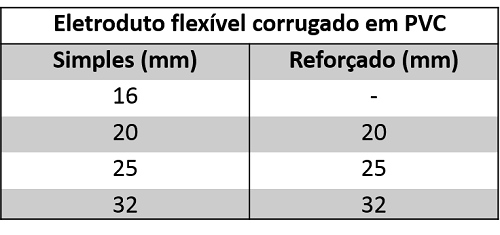 For example, a 2-inch conduit can typically accommodate up to three 6 AWG wires, but this may vary based on the type of conduit (PVC, EMT, etc.) and the presence of any additional conductors for grounding or control circuit The fill capacity is determined by the number of conductors and their sizes. Conduit Fill Capacity
The NEC also specifies the maximum fill capacity for conduits, which is essential for ensuring safe heat dissipation and preventing overheating.
 Conduit Fill: According to the National Electrical Code (NEC), there are specific fill ratios that must be followed to ensure safety. Generally, the conduit should not be filled more than 40% with wires to allow for heat dissipation and ease of pulling wires.
 This guide will cover the essential considerations for choosing the right conduit size for your garage wiring project, including types of conduits, factors influencing conduit size, and installation tips. Conduits are protective tubes that house electrical wires, ensuring safety and organization while also providing a pathway for electrical installations. When it comes to wiring a garage, one of the most critical aspects is selecting the appropriate conduit size.
Plan Your Layout: Before starting your installation, sketch a layout of your garage wiring. This will help you determine the lengths of conduit needed and where to place junction boxes, outlets, and switches.
 Testing and Commissioning
Upon completion of the installation, the team conducted thorough testing to ensure that the charging stations were functioning correctly and that there were no issues with the electrical system. This included testing the load capacity and verifying that the conduits were adequately sized to handle the curren
 Whether opting for PVC, RMC, IMC, FMC, or LFNC, adhering to best practices during installation will further enhance the longevity and effectiveness of outdoor wiring systems. By understanding the various types of conduits available and considering factors such as environmental conditions, wiring type, and local regulations, homeowners and contractors can make informed choices that ensure reliable and safe outdoor electrical installations. Choosing the best conduit for outdoor wiring is a critical decision that impacts safety, durability, and compliance with electrical codes. Ultimately, the right conduit can protect electrical systems from the elements and ensure that they function safely and efficiently for years to come.
Some areas may have specific mandates regarding the type of conduit that can be used for outdoor wiring. Local Codes and Regulations
- Always consult local building codes and regulations to ensure compliance with NEC requirements.
Regular training sessions can help reinforce the importance of compliance and safety. Educate Personnel: Ensure that all personnel involved in electrical installations and maintenance are trained on conduit fill requirements and inspection procedures.
 Conductor Types: Different types of conductors (e.g., THHN, THWN) have varying insulation thicknesses, affecting fill calculations. Inspectors must account for these differences when assessing conduit fill.
 These percentages are designed to prevent overheating and allow for the safe operation of electrical systems. Additionally, the NEC requires that conductors be derated when bundled together, which is particularly relevant for fire alarm systems that often involve multiple cables running through a single condui
 Conduit Installation
Once the site was prepared, the team installed the 2-inch PVC conduits, ensuring that they were properly buried to a depth that met local codes. They also installed pull boxes at strategic locations to facilitate wire pulling and future maintenanc
 More than Three Conductors: For four or more conductors, the fill is limited to 20% of the conduit’s cross-sectional area. Three Conductors: For three conductors, the maximum fill is 40%. Two Conductors: When two conductors are present, the fill increases to 31%. Single Conductor: For a single conductor, the maximum fill is 53% of the conduit’s cross-sectional area.
 Intermediate Metal Conduit (IMC)
- Description: IMC is a thinner, lighter version of RMC, offering a balance between durability and ease of installation.
- Advantages:
- Lighter than RMC, making it easier to handle.
- Corrosion-resistant options available.
- Provides good physical protection.
- Disadvantages:
- Not as robust as RMC in terms of impact resistance.
- Best Use Cases: Ideal for trekking av kabler i rør commercial applications and areas with moderate exposure to physical damage.
- Description: FMC is a flexible option that can bend and curve, making it suitable for tight spaces and complex installations.
- Advantages:
- Easy to install in challenging locations.
- Provides good protection against physical damage.
- Disadvantages:
- Less durable than rigid options.
- Not suitable for direct burial without additional protection.
- Best Use Cases: Useful for connecting outdoor fixtures, such as lights and fans, where flexibility is required.
For example, a 2-inch conduit can typically accommodate up to three 6 AWG wires, but this may vary based on the type of conduit (PVC, EMT, etc.) and the presence of any additional conductors for grounding or control circuit The fill capacity is determined by the number of conductors and their sizes. Conduit Fill Capacity The NEC also specifies the maximum fill capacity for conduits, which is essential for ensuring safe heat dissipation and preventing overheating.
Conduit Fill: According to the National Electrical Code (NEC), there are specific fill ratios that must be followed to ensure safety. Generally, the conduit should not be filled more than 40% with wires to allow for heat dissipation and ease of pulling wires.This guide will cover the essential considerations for choosing the right conduit size for your garage wiring project, including types of conduits, factors influencing conduit size, and installation tips. Conduits are protective tubes that house electrical wires, ensuring safety and organization while also providing a pathway for electrical installations. When it comes to wiring a garage, one of the most critical aspects is selecting the appropriate conduit size.Plan Your Layout: Before starting your installation, sketch a layout of your garage wiring. This will help you determine the lengths of conduit needed and where to place junction boxes, outlets, and switches.
Testing and Commissioning Upon completion of the installation, the team conducted thorough testing to ensure that the charging stations were functioning correctly and that there were no issues with the electrical system. This included testing the load capacity and verifying that the conduits were adequately sized to handle the curren
Whether opting for PVC, RMC, IMC, FMC, or LFNC, adhering to best practices during installation will further enhance the longevity and effectiveness of outdoor wiring systems. By understanding the various types of conduits available and considering factors such as environmental conditions, wiring type, and local regulations, homeowners and contractors can make informed choices that ensure reliable and safe outdoor electrical installations. Choosing the best conduit for outdoor wiring is a critical decision that impacts safety, durability, and compliance with electrical codes. Ultimately, the right conduit can protect electrical systems from the elements and ensure that they function safely and efficiently for years to come.Some areas may have specific mandates regarding the type of conduit that can be used for outdoor wiring. Local Codes and Regulations
- Always consult local building codes and regulations to ensure compliance with NEC requirements.
Regular training sessions can help reinforce the importance of compliance and safety. Educate Personnel: Ensure that all personnel involved in electrical installations and maintenance are trained on conduit fill requirements and inspection procedures.
Conductor Types: Different types of conductors (e.g., THHN, THWN) have varying insulation thicknesses, affecting fill calculations. Inspectors must account for these differences when assessing conduit fill.These percentages are designed to prevent overheating and allow for the safe operation of electrical systems. Additionally, the NEC requires that conductors be derated when bundled together, which is particularly relevant for fire alarm systems that often involve multiple cables running through a single conduiConduit Installation Once the site was prepared, the team installed the 2-inch PVC conduits, ensuring that they were properly buried to a depth that met local codes. They also installed pull boxes at strategic locations to facilitate wire pulling and future maintenanc
More than Three Conductors: For four or more conductors, the fill is limited to 20% of the conduit’s cross-sectional area. Three Conductors: For three conductors, the maximum fill is 40%. Two Conductors: When two conductors are present, the fill increases to 31%. Single Conductor: For a single conductor, the maximum fill is 53% of the conduit’s cross-sectional area.Intermediate Metal Conduit (IMC) - Description: IMC is a thinner, lighter version of RMC, offering a balance between durability and ease of installation.
- Advantages:
- Lighter than RMC, making it easier to handle.
- Corrosion-resistant options available.
- Provides good physical protection.
- Disadvantages:
- Not as robust as RMC in terms of impact resistance.
- Best Use Cases: Ideal for trekking av kabler i rør commercial applications and areas with moderate exposure to physical damage.
- 이전글file 20 26.02.15
- 다음글Monitoring E-Cigarette Gross Sales: Nationwide Tendencies 26.02.15
댓글목록
등록된 댓글이 없습니다.