

The 12 Most Obnoxious Types Of Tweets You Follow
페이지 정보

본문
Understanding Shipping Container Sizes: A Comprehensive Guide
Shipping containers are an important part of international trade, efficient in transporting goods throughout large distances with efficiency and safety. They can be found in numerous sizes and types, each serving particular requirements in the shipping and logistics industry. This post will offer a helpful overview of shipping container sizes, assisting readers understand their dimensions, capabilities, and utilizes.
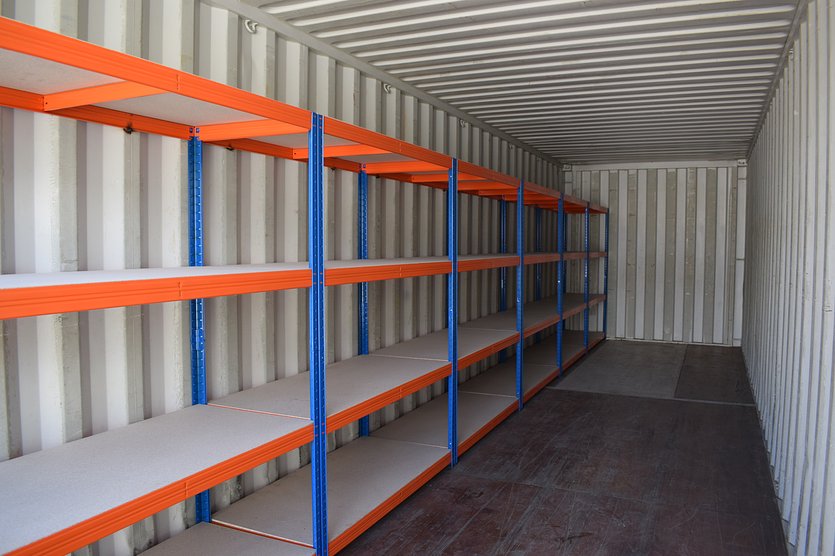
Kinds Of Shipping Containers
Shipping containers are classified based on their dimensions and performances. Below are the most common types:
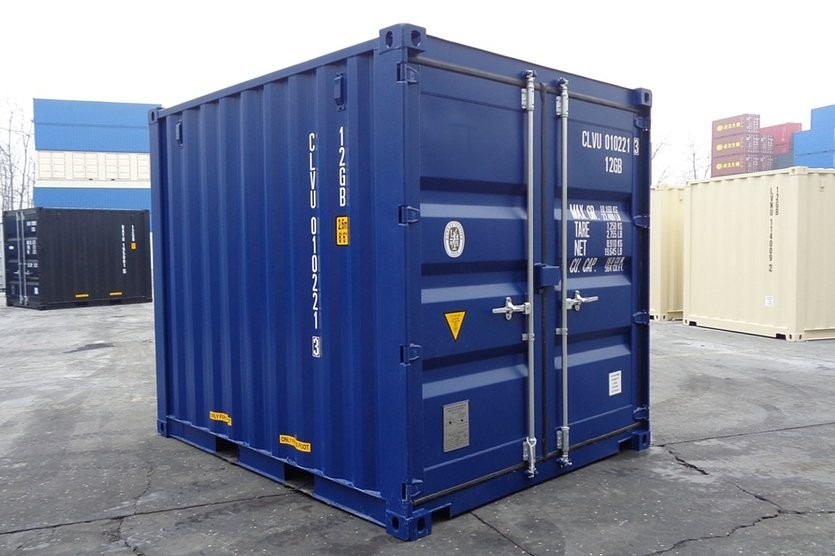
- Standard Containers: These are the most typically used containers for shipping non-perishable products.
- High Cube Containers: Slightly taller than basic containers, these are ideal for items that require extra vertical area.
- Reefer Containers: Refrigerated containers used for carrying disposable products.
- Open Top Containers: Designed for heavy machinery or products that need to be packed from the top.
- Flat Rack Containers [go to these guys]: Used for extra-large cargo that doesn't suit standard containers.
Standard Shipping Container Sizes
Shipping containers been available in a number of basic sizes. The most popular dimensions are the 20-foot and 40-foot containers. Below is a table that sums up the key specifications of these standard containers:
| Container Type | Length (ft) | Width (ft) | Height (feet) | Internal Volume (cu feet) | Max Payload (lbs) |
|---|---|---|---|---|---|
| Standard 20' | 20 | 8 | 8.5 | 1,169 | 55,126 |
| Standard 40' | 40 | 8 | 8.5 | 2,385 | 59,300 |
| High Cube Shipping Containers Cube 20' | 20 | 8 | 9.5 | 1,189 | 55,126 |
| High Cube 40' | 40 | 8 | 9.5 | 2,694 | 58,200 |
| Reefer 20' | 20 | 8 | 8.5 | 1,160 | 53,000 |
| Reefer 40' | 40 | 8 | 8.5 | 2,390 | 58,000 |
| Open Top 20' | 20 | 8 | 8.5 | 1,169 | 50,000 |
| Open Top 40' | 40 | 8 | 8.5 | 2,390 | 55,000 |
| Flat Rack 20' | 20 | 8 | 8.5 | 1,169 | 48,000 |
| Flat Rack 40' | 40 | 8 | 8.5 | 2,390 | 54,000 |
Secret Dimensions Explained
- Length: Most shipping containers are 20 or 40 feet long; nevertheless, there are extra sizes readily available for specialized requirements.
- Width: The standard width is 8 feet, which corresponds throughout most container types.
- Height: Standard containers are 8.5 feet tall, while high cube containers provide an extra foot in height.
Elements to Consider When Choosing a Container Size
Picking the right container size is important for optimizing Shipping Container Transport costs and guaranteeing the safe transport of products. Here are some factors to think about:
Type of Goods: Determine if the items to be shipped can fit easily within the picked container size. Bulky or extra-large products may require a flat rack or open-top container.
Weight Limitations: Each container has an optimum payload limitation. It's essential not to exceed this limit for safety and compliance with shipping guidelines.
Storage and Handling: Consider whether the container will be stored on-site and how frequently it will need to be accessed. Bigger containers might be helpful for more comprehensive stock, while smaller sized containers might be enough for shorter storage requirements.
Transport Costs: Larger containers might feature higher shipping fees. Stabilizing the right container size with shipping costs can lead to significant savings.
Shipping Container Use Cases
Understanding the various container types and sizes is just the start. Here are some typical usage cases for shipping containers:
- International Shipping: Standard containers are frequently used to transport items worldwide.
- Momentary Dry Storage Containers: Containers can act as temporary storage systems at construction websites or for organizations needing extra space.
- Housing Solutions: Increasingly, modified shipping containers are used for property purposes due to their durability and low cost.
- Pop-up Shops: Entrepreneurs utilize shipping containers for mobile retail spaces or food trucks.
FAQ about Shipping Container Sizes
Q1: What is the most common size for shipping containers?A1: The most common shipping container sizes are 20-foot and 40-foot containers.
Q2: Can you stack shipping containers?A2: Yes, shipping containers are developed to be stacked; nevertheless, weight limitations need to be considered.
Q3: How do I know which container is right for my needs?A3: Identify the type and volume of goods you prepare to ship, assess weight restrictions, and consider any specific handling requirements.
Q4: Are high cube containers worth the additional cost?A4: High cube containers supply extra vertical space, making them ideal for taller items, but whether they are worth the additional cost depends on specific shipping requirements.
Q5: Can I buy a New Shipping Containers container?A5: Yes, shipping containers can be bought from various suppliers, and many individuals convert them into homes or storage units.
Comprehending Shipping Container Leasing container sizes is crucial for businesses associated with logistics and transport. By acquainting themselves with the numerous types of containers and their requirements, carriers can make sure effective use of space, lessen expenses, and optimize the safe transport of goods. Whether for global shipping, storage, or distinct housing solutions, shipping containers supply versatile, tough options for numerous requirements.
- 이전글대구 24약국 시알리스 안전 복용법과 부작용 정리 26.05.30
- 다음글먹는 낙태약 복용 후 문제가 생길까 걱정되시나요? - 미프진 여성 건강 상담 안내 26.05.30
댓글목록
등록된 댓글이 없습니다.