

5 Cliches About Door Repair You Should Stay Clear Of
페이지 정보

본문
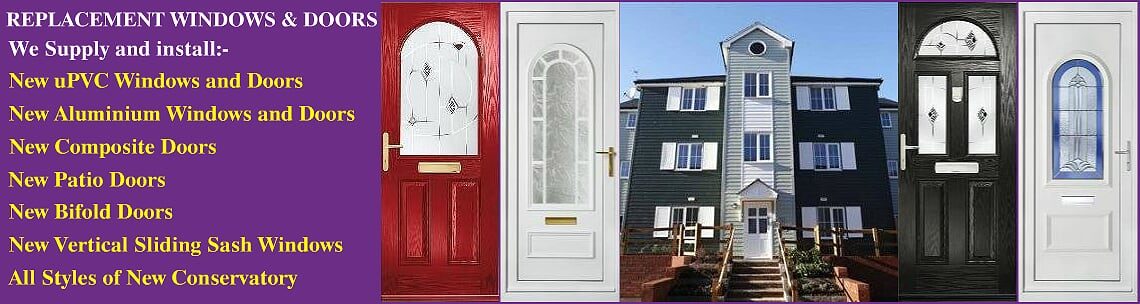
The Ultimate Guide to Door Repairs: Techniques, Tips, and FAQs
Doors are an important part of any structure, serving not just as entryways however also as protective barriers, privacy screens, and visual enhancements. Nevertheless, like any other part of a structure, doors can end up being damaged over time. Comprehending how to sash window repair various kinds of doors can extend their lifespan and keep the safety and aesthetics of a home or organization. This guide will cover different elements of door repairs, including common issues, repair methods, and a practical FAQ area.
Common Door Issues
Before diving into glass repair strategies, it's vital to determine typical door issues that property owners might deal with.
| Problem | Description |
|---|---|
| Sticking Doors | Doors that don't close or open smoothly due to misalignment or wetness. |
| Damaged Frames | Split or warped frames that impact door functionality. |
| Scratched or Damaged Surfaces | Surface area damage due to day-to-day wear and tear, family pets, or accidents. |
| Broken Hinges | Hinges that have actually become loose or broken, leading to drooping doors. |
| Ineffective Locks | Locks that do not work properly, positioning security dangers. |
Vital Tools and Materials for Door Repairs
Having the right tools and products at hand can significantly streamline the repair procedure. Here's a list of essential items.
| Tool/Material | Function |
|---|---|
| Screwdriver | For tightening or eliminating screws from hinges and locks. |
| Hammer | For changing or removing frames. |
| Drill | To develop new screw holes or change locks. |
| Wood filler | To repair scratches or dents on wooden doors. |
| Sandpaper | For raveling repaired surface areas. |
| Replacement hinges/locks | To replace broken or defective components. |
| Paint or stain | For touch-ups and visual remediation. |
Step-by-Step Repair Techniques
1. Repairing a Sticking Door
A sticking door frequently arises from humidity or inappropriate installation. Here's how to repair it:
- Identify the Problem Area: Open and close the door to discover where it's sticking.
- Use a Plane: If the door is swollen, utilize a hand plane or sandpaper to shave off a percentage of wood from the edges. Keep in mind to check frequently to avoid exaggerating it.
- Seal Against Moisture: Apply a weatherproof sealant to prevent future swelling.
2. Repairing Damaged Frames
A broken frame might require you to take more considerable actions.
- Evaluate the Damage: Look for fractures or warps.
- Use Wood Glue: For small cracks, use wood glue and clamp the frame to hold it in place.
- Use Wood Filler: Fill any holes with wood filler, then sand down for a smooth finish.
- Paint or Stain: Finally, retouch with paint or stain to match the existing frame.
3. Fixing Scratches or Dents
Surface area scratches can be easily corrected.
- Clean the Surface: Remove any dust or particles.
- Use Wood Stain or Repair Kit: Depending on the product, use a stain or a repair set designed for wood.
- Polish: Once dried, polish the area to match the rest of the door.
4. Changing Broken Hinges
Hinges can fail due to tension or age.
- Get Rid Of the Old Hinges: Unscrew and take off the harmed hinges.
- Install the New Hinges: Align brand-new hinges with the old screw holes. If the wood is damaged, you might require to drill new holes or use wood filler initially.
- Test the Door: Ensure the door opens and closes smoothly.
5. Fixing Inefficient Locks
A malfunctioning lock can compromise security.
- Evaluate the Lock: Check if the internal system is jammed or if the key is used out.
- Lube: Sometimes, a little lube will free a jammed lock.
- Change: If the lock is beyond Repair double glaze window repair glazed glass window repair (https://hedgedoc.eclair.ec-lyon.fr), remove it and set up a brand-new one following the producer's guidelines.
Additional Pro Tips
- Regular Maintenance: Regular cleaning, lubrication of hinges, and looking for moisture accumulation can prevent many door-related problems.
- Think about Climate: In damp environments, choose products that withstand warping or swelling.
Frequently Asked Questions (FAQs)
1. How do I understand if my door requires to be replaced instead of fixed?
If the door is severely deformed, has comprehensive rot, or if the cost of repairs approaches the cost of a brand-new door, replacement may be more cost-efficient.
2. Can I repair a door myself, or should I employ an expert?
Lots of minor repairs can be done DIY with very little tools. Nevertheless, substantial structural damages or intricate locking systems might require a professional's competence.
3. How typically should I preserve my doors?
Examine your doors every six months for indications of wear, sticking, or damage to handle repairs prompt.
4. Exist particular kinds of doors that are simpler to repair?
Hollow-core doors, typically made from less expensive products, can be easier to repair than strong wood doors, though they may not hold up too gradually.
5. What should I do if my door frame is badly damaged?
In cases of serious damage, you might need to change the frame or consult a professional carpenter for structural support.
Repairing doors may appear intimidating initially, however with the right tools, techniques, and a little patience, lots of common issues can be resolved effectively. Regular maintenance can help prevent damage, preserving doors' performance and visual appeal. Whether it's repairing a squeaky hinge or repairing a scratched surface area, understanding the fundamentals of door upvc repairs can save you money and time, making sure that your doors stay an important part of your home's performance and design for years to come.
- 이전글Purchase Medical License Inexpensively Tools To Help You Manage Your Daily Life Purchase Medical License Inexpensively Trick Every Person Should Know 26.05.27
- 다음글JM Trans avis : pourquoi la communauté trans adopte cette plateforme ? 26.05.27
댓글목록
등록된 댓글이 없습니다.