

Window Lock Diagnosis Tools To Ease Your Daily Lifethe One Window Lock…
페이지 정보

본문
Window Lock Diagnosis: Identifying Issues and Ensuring Safety
Ensuring the security and functionality of windows in a structure is of critical importance. A reliable window local lock repair not only provides safety however also contributes to energy performance by keeping drafts and wetness at bay. However, like any mechanical system, window locks can encounter issues that may compromise their efficiency. This post looks into window lock medical diagnosis, assisting homeowners and maintenance workers identify typical problems, comprehend their implications, and explore potential services.
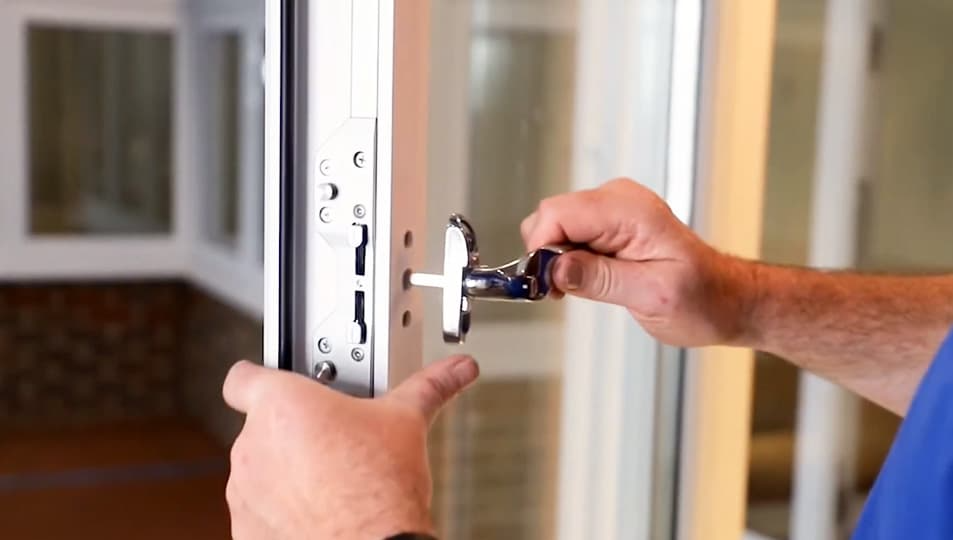
Comprehending Window Lock Types
Before delving into medical diagnosis, it's important to familiarize oneself with the various types of window locks. Below is a table summing up various lock types and their qualities:
| Lock Type | Description | Common Use |
|---|---|---|
| Sash Lock | A lock that integrates with the window sash. | Double-hung windows |
| Sliding Lock | A lock repair services mechanism found on sliding windows. | Moving or patio doors |
| Hook Lock | A hook-style lock that protects the window. | Casement windows |
| Keyed Lock | A lock operated by a secret; provides high security. | Numerous window types |
| Electronic Lock | A digital lock that can be run remotely. | Modern installations |
Typical Window Lock Issues
Window locks can face numerous issues that may hinder their efficiency. Understanding these problems is the primary step towards effective medical diagnosis.
1. Misalignment
Among the most common concerns with window locks is misalignment. This takes place when the lock and its matching strike plate do not line up correctly, making the lock difficult to engage.
2. Rust and Corrosion
Metal locks are prone to rust, specifically in environments with high humidity. Corrosion can result in weakened elements and inadequate locking mechanisms.
3. Broken Components
Mechanical parts can wear in time. This includes damaged gears, worn-out springs, and snapped cables, all of which can avoid the lock from functioning normally.
4. Dirt and Debris Buildup
Dirt, dust, and debris can collect in the locking mechanism, triggering it to jam. This is especially common in older windows that have not been regularly maintained.
5. Frozen Lock Mechanism
In cooler climates, wetness can freeze inside the lock system, rendering it inoperable.
6. Secret Issues
For keyed locks, common concerns may include flexing, breaking, or losing secrets, making it difficult to secure or open the window.
7. Electronic Malfunction
For electronic locks, concerns can occur from dead batteries, circuitry issues, or software application glitches.

Diagnostic Steps
Detecting window lock concerns requires a mindful method. The following actions can direct house owners and maintenance staff in determining problems.
Step 1: Visual Inspection
- Look for misalignment: Observe if the lock and strike plate line up appropriately.
- Try to find indications of rust: Examine metal parts for rust or rust.
- Inspect for physical damage: Look for broken parts or worn mechanisms.
Step 2: Functional Testing
- Check the lock: Engage and disengage the lock to inspect its performance. Keep in mind any stiffness or jamming.
- Use the key: For keyed locks, ensure the essential turns efficiently without resistance.
Action 3: Clean the Mechanism
- Remove particles: Use a soft brush or fabric to clean around and within the locking system.
Step 4: Lubrication
- Apply lubricant: Use a silicone-based lubricant to make sure smooth operation, especially for mechanical locks.
Step 5: Seek Professional Help
- Consult a locksmith or specialist: If the problem persists, it might be essential to speak with an expert for repair work or replacements.
Maintenance Tips
To prevent future concerns, routine maintenance of window locks is necessary. Consider the following maintenance suggestions:
- Regular Cleaning: Clean window Lock diagnosis locks every few months to remove dirt and debris.
- Lubrication: Apply lube yearly to make sure smooth functioning.
- Check Regularly: Check locks for signs of wear and tear at least twice a year.
- Change Worn Parts: Address any wear concerns without delay to avoid additional damage.
FAQs about Window Lock Diagnosis
1. How do I understand if my window lock is broken?
If your lock does not engage appropriately, is misaligned, or shows noticeable signs of damage (like rust or missing parts), it might be broken.
2. Can I repair a window lock myself?
Many minor issues, like cleaning and lubrication, can be managed by homeowners. However, for more complicated repair work, seeking advice from a professional locksmith is advisable.
3. How typically should I service my window locks?
It's advised to check and maintain window locks a minimum of twice a year, more frequently in high-use areas or extreme weather.
4. What should I do if my electronic lock isn't working?
Inspect the battery first; if it's dead, change it. If the issue persists, consult the lock's manual for repairing steps or contact a professional.
5. Are there security steps to prevent lock issues?
Utilizing high-quality locks, guaranteeing proper installation, and routine maintenance can substantially enhance window lock company lock security and performance.
Correct medical diagnosis and upkeep of window locks are crucial for guaranteeing security and performance. By comprehending common issues and following a systematic method to medical diagnosis, homeowners can secure their homes against possible security threats. Investing time in regular upkeep will not just extend the life of window lock solutions locks however likewise improve the overall security of the home security.
- 이전글10 Situations When You'll Need To Be Educated About New Audi Key 26.05.27
- 다음글What Is Complete RTP Database For Hacksaw Gaming Slots? 26.05.27
댓글목록
등록된 댓글이 없습니다.