

Here's An Interesting Fact About Exersise Bike. Exersise Bike
페이지 정보

본문
The Comprehensive Guide to Exercise Bikes: A Pathway to Fitness
In the realm of fitness, Stationary Bike Exercise bicycle for exercise at home have carved a coveted niche, integrating convenience with efficiency for enthusiasts and beginners alike. Whether one is looking to drop weight, build endurance, or just remain active, the exercise bike offers a versatile and efficient good exercise bike. This short article dives deep into the world of exercise bikes, discussing their benefits, types, crucial features, and pointers for maximizing workouts. Moreover, an FAQ section addresses typical questions for anyone considering buying this physical fitness equipment.
The Benefits of Using an Exercise Bike
Stationary bicycle provide a huge selection of advantages that accommodate different fitness levels and objectives. Some of the significant advantages include:
- Low Impact on Joints: Cycling is gentle on the joints, making it an ideal exercise for people with joint problems or arthritis.
- Cardiovascular Health: Regular use improves heart health by improving cardiovascular endurance and promoting better blood circulation.
- Weight Management: A consistent biking routine can support weight-loss and management by burning substantial calories.
- Convenience: Exercise bikes provide the versatility to work out in your home, removing the requirement for fitness center trips.
- Customization of Workouts: Many models come geared up with programmable features, enabling users to customize exercises based on their objectives and physical fitness levels.
Table 1: Benefits of Using an Exercise Bike
| Advantage | Description |
|---|---|
| Low Impact | Mild on joints, suitable for all fitness levels. |
| Cardiovascular Health | Improves heart function and flow. |
| Weight Management | Aids in burning calories for weight-loss. |
| Convenience | Permits exercises from the convenience of home. |
| Modification | Lots of designs offer programmable workout functions for tailored regimens. |
Types of Exercise Bikes
When thinking about a stationary bicycle, it's essential to understand the various types readily available. Each type has its unique functions and benefits:
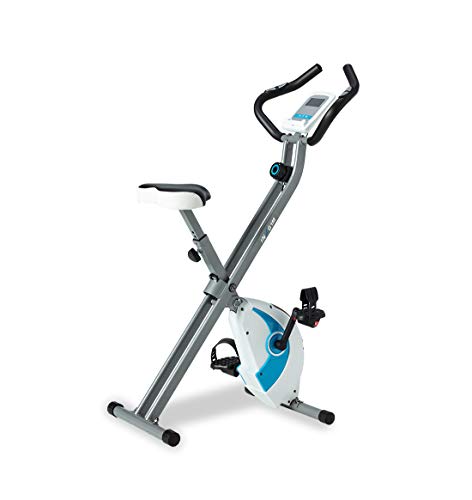
- Upright Bikes: Resembling traditional bikes, these bikes engage the core and upper body while concentrating on the legs.
- Recumbent Bikes: These bikes include a reclining seat that provides back assistance, making them ideal for individuals with back problems.
- Spin Bikes: Designed for high-intensity workouts, spin bikes have a much heavier flywheel and permit for standing while pedaling.
- Air Bikes: These bikes utilize air resistance; the more difficult you pedal, the greater the resistance, promoting a full-body exercise.
Table 2: Types of Exercise Bikes
| Type | Description | Suitable For |
|---|---|---|
| Upright | Traditional bike posture, engaging core and legs. | General fitness enthusiasts. |
| Recumbent | Supports the back, perfect for those with discomfort. | Individuals with back concerns. |
| Spin | Heavy flywheel for high-intensity, standing workouts. | Serious bicyclists and professional athletes. |
| Air | Utilizes air resistance; promotes full-body workouts. | High-intensity training hunters. |
Secret Features to Consider
When picking an exercise bike, a number of key features ought to be taken into account to ensure you make a notified decision:
- Adjustability: Look for bikes with adjustable seats and handlebars to guarantee a comfortable fit.
- Resistance Type: Bikes might offer magnetic, air, or friction resistance. Think about which type lines up with your exercise choices.
- Keeping an eye on Features: Features such as heart rate displays, calorie counters, and exercise programs can improve your biking experience.
- Portability: If space is a concern, choose for a bike that is compact and simple to move.
- Service warranty and Support: Ensure the bike comes with an excellent warranty and consumer support for assurance.
Table 3: Key Features of Exercise Bikes
| Function | Importance |
|---|---|
| Adjustability | Essential for comfort and correct kind during workouts. |
| Resistance Type | Impacts workout strength; choose based on individual goals. |
| Tracking | Helps track progress and maintain motivation. |
| Portability | Important for small spaces; easy to move or keep. |
| Guarantee | Offers guarantee regarding the bike's resilience. |
Tips for Maximizing Your Workout on an Exercise Bike
To get the most out of your stationary bicycle sessions, think about the following suggestions:
- Warm-Up Properly: Just as with any workout, beginning with a warm-up is important. Spend 5-10 minutes biking at a low intensity.
- Vary Intensity: Incorporate intervals by alternating between high and low resistance. This technique can improve cardiovascular fitness and calorie burn.
- Preserve Proper Form: Keep your back straight and core engaged while cycling. Avoid leaning forward excessively to avoid strain.
- Hydrate: Keep water neighboring and guarantee you stay hydrated throughout your workout.
- Track Progress: Use the bike's tracking features to track your heart rate, range, and calories burned. This can help you set objectives and remain encouraged.
Often Asked Questions (FAQ)
1. How frequently should I use an exercise bike?
For ideal results, objective for at least 150 minutes of moderate-intensity cycling each week. This can be broken down into workable sessions of thirty minutes, five days a week.
2. Can I drop weight utilizing an exercise bike?
Yes, routine and intense cycling can assist in weight reduction by burning calories and boosting metabolic process. Pair your exercises with a balanced diet for the finest outcomes.
3. What is the difference in between upright and recumbent bikes?
Upright bikes simulate standard bicycle positioning, engaging the core and upper body, while recumbent bikes use an encouraging seat, reducing stress on the back and supplying an easier trip.
4. Are exercise bikes suitable for newbies?
Absolutely! Stationary bicycle can be adapted to fit numerous fitness levels. Beginners can start at lower resistance and gradually increase strength as they construct strength and endurance.
5. How do I keep my stationary bicycle?
Routinely check and tighten bolts, clean the bike after use, and oil moving parts as required. Follow the producer's upkeep suggestions for specific care standards.
Exercise bikes are a versatile tool for anybody seeking to boost their fitness journey. By comprehending the various types, essential features, and optimal use tips, individuals can choose the right bike and maximize their exercises efficiently. Whether used for leisurely biking or extreme training, an exercise bike can provide a solid foundation for a much healthier way of life. So, consider getting on an exercise bike and pedaling your method to better health!
- 이전글The 10 Scariest Things About PTE Certificate Online Store 26.05.27
- 다음글See What Manual Treadmill Non Electric Tricks The Celebs Are Making Use Of 26.05.27
댓글목록
등록된 댓글이 없습니다.