

6 shipping container Tools To Help You Manage Your Daily Lifethe One 6…
페이지 정보

본문
6 Fascinating Uses for Shipping Containers: Exploring Their Versatile Applications
Shipping 6ft small containers have become more than simply vessels for transporting products across oceans. Their robust construction, mobility, and cost-effectiveness have motivated innovative thinkers worldwide to repurpose them for a variety of innovative applications. In this post, we will explore 6 ft shipping container shipping container (site) remarkable usages of shipping containers that are paving the method for sustainable and innovative services in architecture, real estate, commerce, and more.
1. Container Homes
Among the most popular uses for shipping containers has been in the construction of homes. These container homes are acquiring traction among eco-conscious people, DIY lovers, and even architectural firms.
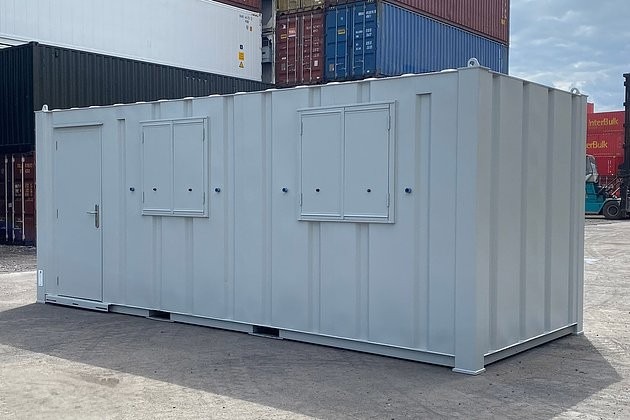
Benefits of Container Homes
- Price: Often cheaper than traditional homes.
- Modular Design: Easy to expand, with several containers stacked or joined.
- Sturdiness: Built to stand up to severe ecological conditions.
| Function | Shipping Container Home | Conventional Home |
|---|---|---|
| Cost | ₤ 10,000 - ₤ 50,000 | ₤ 200,000 - ₤ 400,000 |
| Building Time | Weeks to a couple of months | Numerous months to years |
| Ecological Impact | Lower; frequently repurposed materials | Higher; 6ft new shipping containers products |
| Customization Options | Extremely personalized | Minimal by traditional methods |
2. Pop-Up Shops and Cafes
Shipping 6ft containers have actually discovered a specific niche in the retail and food service industries as pop-up stores and coffee shops. This trend allows entrepreneurs to set up short-lived areas in city environments or at special events.
Advantages of Pop-Up Shops
- Mobility: Easy to transport to various locations.
- Lower Start-Up Costs: Reduced rental expenditures compared to traditional stores.
- Special Aesthetic: Offers a distinct charm that attracts clients.
| Category | Pop-Up Shops | Standard Retail |
|---|---|---|
| Setup Duration | Days to a week | Weeks to months |
| Running Costs | Lower; very little fixed facilities | Greater; long-lasting lease |
| Customer Engagement | Usually higher due to novelty | Varies; based on area |
| Flexibility | Incredibly flexible with areas | More set locations |
3. Offices and Workspaces
As remote work and freelancing become more typical, lots of organizations are turning to shipping containers as momentary or irreversible office. This trend is especially evident amongst startups and tech companies.
Secret Advantages
- Flexibility: Containers can be created to fit particular requirements (meeting spaces, lounges).
- Expense Efficiency: Lower total expenses compared to conventional office structures.
- Quick Setup: Reduced construction time permits businesses to occupy space earlier.
| Function | Container Offices | Traditional Offices |
|---|---|---|
| Cost | ₤ 10,000 - ₤ 100,000 | ₤ 300,000 - ₤ 1 million |
| Style Flexibility | Extremely adjustable | Limited by existing layouts |
| Time to Occupancy | Weeks to a couple of months | Months to years |
| Sustainability | Often made with environmentally friendly practices | Differs commonly |
4. Agricultural Uses
The farming sector has likewise welcomed shipping containers, utilizing them for innovative farming options like container farms and vertical farms. These techniques are ideal for city areas with limited land schedule.
Benefits of Container Farming
- Controlled Environment: Ideal for growing without the impact of external weather.
- Efficiency: Maximizes area in thick metropolitan locations.
- Sustainability: Reduces the carbon footprint and transport emissions by growing food closer to city centers.
| Element | Container Farming | Standard Farming |
|---|---|---|
| Area Requirements | Smaller sized footprint | Big land area required |
| Yield | Higher per square foot | Differs significantly |
| Resource Efficiency | Uses less water, energy | More resource-intensive |
| Seasonal Dependence | Year-round production | Based on growing seasons |
5. Educational Facilities
Shipping containers are being utilized as classrooms and educational facilities in different regions, specifically in locations affected by natural disasters or where traditional construction is unwise.
Advantages of Container Classrooms
- Quick Deployment: Can be established quickly in action to emergency situations.
- Affordable: More budget-friendly than developing traditional academic facilities.
- Long lasting: Built to withstand hazardous conditions, supplying more secure environments for trainees.
| Classification | Container Classrooms | Conventional Schools |
|---|---|---|
| Setup Time | Weeks to a couple of months | Months to years |
| Cost | ₤ 5,000 - ₤ 30,000 | ₤ 200,000 - a number of million |
| Flexibility | Quickly moved or broadened | Repaired areas |
| Security | Highly resilient | Varies with construction quality |
6. Storage Solutions
Shipping containers are maybe best understood for their initial purpose: storage. They offer protected and roomy services for both individual and industrial storage needs.
Benefits of Container Storage
- Security: Lockable, weatherproof, and resistant to insects.
- Mobility: Convenient for on-site or off-site storage.
- Cost-Effectiveness: Generally lower rental rates compared to storage systems.
| Aspect | 6ft container for sale Storage | Traditional Storage Units |
|---|---|---|
| Cost | ₤ 50 - ₤ 300/month | ₤ 100 - ₤ 400/month |
| Size Options | Various; normally larger | Standard sizes only |
| Security Features | High; steel building and construction | Differs |
| Ease of access | Direct access on-site | Reliant on place |
Regularly Asked Questions (FAQs)
1. Are shipping container homes safe?
Yes, when constructed properly, container homes can be just as safe as conventional homes. They are constructed to withstand severe conditions and can be insulated for added comfort.
2. Can I get a shipping container provided to my home?
Yes, a lot of shipping container suppliers offer delivery services. It's vital to guarantee your residential or commercial property has appropriate gain access to for delivery trucks.
3. Do I require licenses to build with shipping containers?
Authorization requirements differ by area. It is suggested to contact local authorities for zoning and building regulations before commencing any container job.
4. For how long do shipping containers last?
With correct maintenance, shipping containers can last up to 25 years or more. They are designed to tolerate extreme maritime environments.
5. Are shipping containers insulated?
Yes, many container homes and business structures are insulated to make them habitable and comfortable in various environments. Insulation techniques consist of spray foam, rigid foam boards, or setting up insulated walls.
Shipping containers are a testament to human resourcefulness, offering a wide variety of uses that extend far beyond their original function of carrying products. From homes and offices to farms and class, the versatility of shipping containers opens numerous chances for sustainable advancement and innovative solutions. As this trend continues to develop, we can anticipate to see a lot more innovative applications that attend to modern-day challenges in different sectors. Whether you're considering a container home, a pop-up business, or a portable office, the possibilities are restricted only by one's creativity.
- 이전글일상 속 편리함을 높이는 생활 꿀팁 12가지 모음 작지만 강력한 변화! 26.05.24
- 다음글The History of Top 10 Poker Websites Refuted 26.05.24
댓글목록
등록된 댓글이 없습니다.