

Hot vs Cold Storage: Which Keeps Your Crypto Safer?
페이지 정보

본문
When it comes to safeguarding digital assets like cryptocurrencies, the choice between hot and cold storage isn’t just a technical detail — it’s a fundamental decision that can determine the safety of your holdings. Hot storage means your funds reside on platforms that are perpetually online — such as mobile wallets, desktop software, or exchange balances — these are designed for convenience and speed, allowing users to send, receive, and trade assets with minimal delay. Because they’re always online, they offer instant access, which is perfect for frequent traders or those who need to make regular transactions — however, that constant connectivity also makes them more vulnerable to hacking, phishing, and other forms of cyberattack. Being perpetually linked to the web creates a persistent attack surface for cybercriminals targeting access credentials and private keys
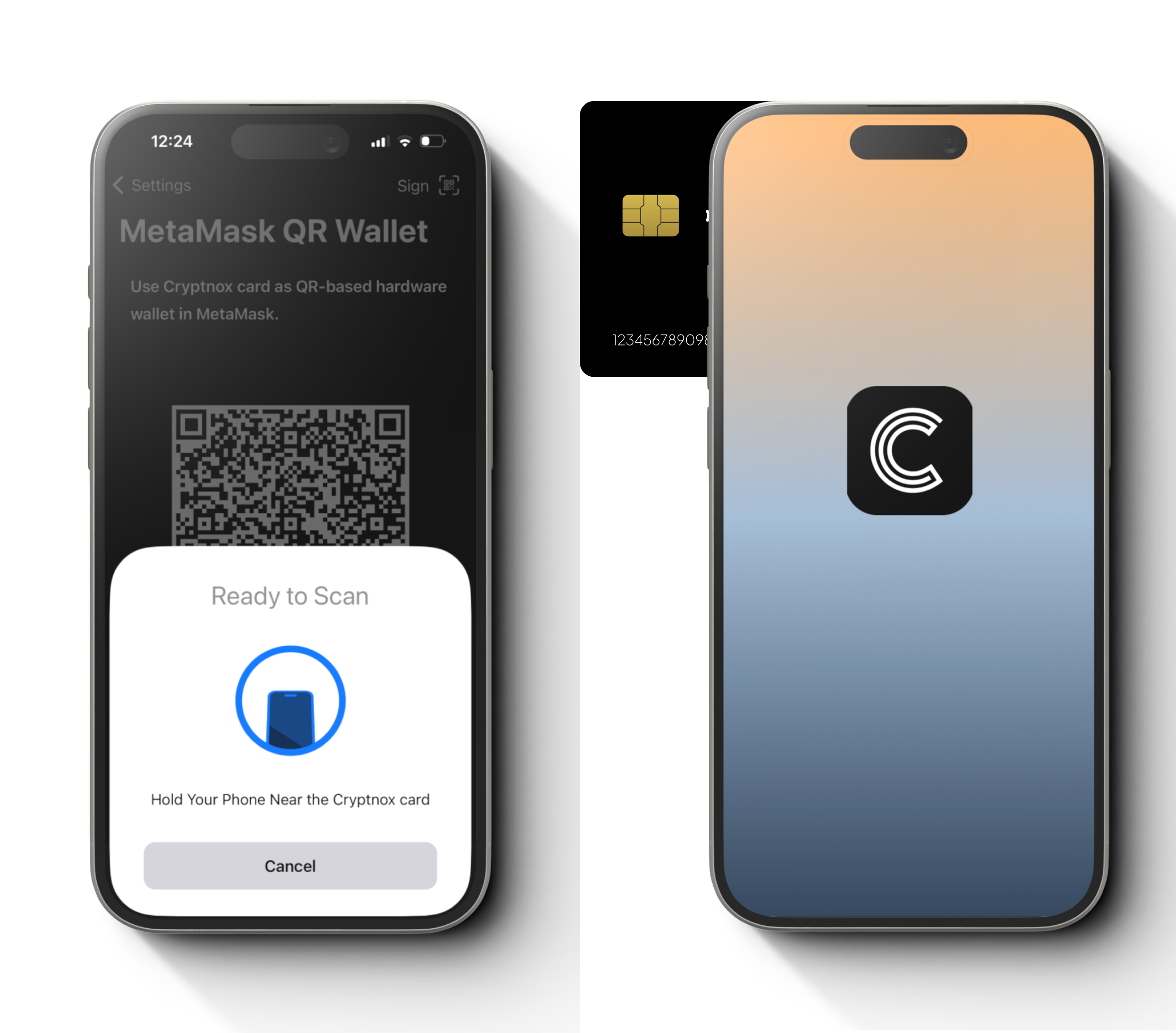
Cold storage, on the other hand, keeps private keys completely offline. This includes hardware wallets, paper wallets, or even encrypted USB drives stored in a secure location — since these devices never connect to the internet, they are immune to remote breaches, making them far more secure against digital threats. Their air-gapped design renders them impervious to network-based intrusions — many serious investors use cold storage as their primary method for holding long-term assets, especially when the value involved is substantial. Institutional holders and long-term HODLers rely on cold storage to protect large portfolios — the tradeoff is accessibility — Accessing cold-held assets demands physical interaction — plugging in a device or transcribing a seed phrase by hand — which can be inconvenient for daily use.
The real difference between the two isn’t just about security versus convenience — it’s about risk management. Visualize hot storage as the wallet in your pocket — meant for small, frequent spending — and cold storage as a safe deposit box at the bank, where you store your heirlooms and savings. Cold storage is the vault where you keep your most valuable assets, untouched except in emergencies — most savvy users adopt a hybrid approach, Allocating a minor fraction online for daily use, while locking away the majority offline — this balances usability with protection, Offering practical access without compromising the security of your core holdings
It’s also important to consider how to set up ledger nano x you manage your cold storage. Even the most secure hardware wallet is only as safe as its backup — Encoding your mnemonic on metal plates and sealing them in a waterproof, blast-resistant vault is essential — if that paper is lost or damaged, the assets are permanently inaccessible. Losing the backup means losing access forever — no customer support, no recovery option — similarly, Digitizing your cold storage backup on any internet-accessible medium reintroduces the very risks you sought to eliminate
Ultimately, understanding the distinction between hot and cold storage empowers you to make informed decisions based on your behavior, risk tolerance, and the value of your holdings. No single method is perfect, but combining them thoughtfully creates a resilient strategy that respects both security and practicality — By segmenting your holdings, you reduce vulnerability while maintaining responsive access
- 이전글How to Securely Wipe a Hardware Wallet Before Selling | The Ultimate Guide to Erasing Your Hardware Wallet Before Sale | Essential Steps to Cleanse Your Crypto Device Prior to Resale | How to Fully Remove All Data from Your Hardware Wallet Before Selling 26.04.26
- 다음글비아몰 비아그라 이용 안내 제품 정보 정리 , 제품 정보 확인 26.04.26
댓글목록
등록된 댓글이 없습니다.