

The 10 Scariest Things About 40 Ft Container For Purchase
페이지 정보

본문
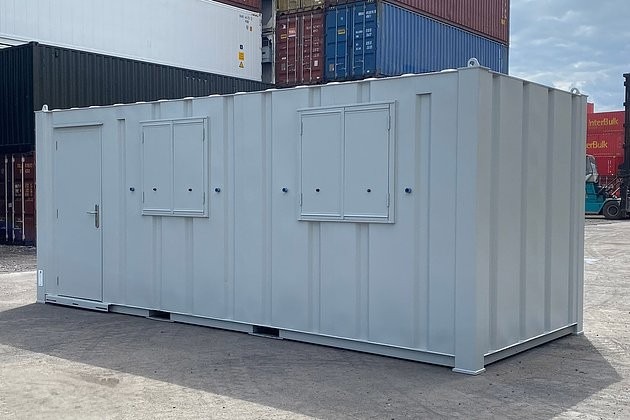
The Ultimate Guide to Purchasing a 40 Ft Container
When it pertains to storage and transport services, the Purchase 40 Ft Container ft container has become a popular choice for companies and individuals alike. Its adaptability, durability, and capacity make it an ideal option for various applications, from shipping goods throughout the world to functioning as a momentary office or storage system. In this thorough guide, we will delve into the essential aspects of purchasing a 40 ft container, including types, costs, advantages, and frequently asked concerns.
Understanding the 40 Ft Container
40 ft containers, also understood as "forty-footers," are standard shipping containers utilized internationally for carrying big volumes of freight. They generally can be found in two main types: standard and high cube.
Kinds of 40 Ft Containers
| Type | Description | Common Use Cases |
|---|---|---|
| Standard | 40 Ft Shipping Container Purchase Options ft length, 8 ft width, 8.5 ft height | General freight, machinery, and large goods |
| High Cube | 40 ft length, 8 ft width, 9.5 ft height | Large items, pallets, and high-value products |
Advantages of Purchasing a 40 Ft Container
- Flexibility: Suitable for different usages consisting of shipping, storage, and customized structures.
- Durability: Made from strong steel, they are constructed to withstand extreme climate condition.
- Cost-Effectiveness: More cost-effective compared to other storage solutions, especially for long-lasting usage.
- Movement: Can be transported easily, making them an exceptional choice for dynamic businesses or building and construction websites.
- Security: Lockable doors guarantee that the contents are protected from theft and vandalism.
Elements to Consider When Buying a 40 Ft Container
Getting a 40 ft container involves numerous considerations to guarantee that you make the ideal decision. Here are some key factors to keep in mind:
1. Condition
- New: Pristine condition, ideal for high-value items.
- Utilized: More economical but might have some wear and tear.
- Refurbished: Older containers that have actually been restored to great condition.
2. Cost
- Prices can differ substantially based on condition, location, and market demand. Below is an approximate pricing table:
| Condition | Cost Range (GBP) |
|---|---|
| New | ₤ 3,000 - ₤ 5,000 |
| Utilized | ₤ 1,500 - ₤ 3,000 |
| Reconditioned | ₤ 2,000 - ₤ 4,000 |
3. Shipment Options
- Consider whether the seller provides delivery and the associated costs.
- Shipment might vary based on distance, access to your area, and regional regulations.
4. Adjustments
- Determine if you require custom-made modifications, such as insulation, windows, or ventilation.
- Some providers specialize in container modifications and can offer customized options.
5. Regulative Compliance
- Inspect regional regulations concerning container positioning and use.
- Guarantee the container meets security and zoning standards if it will be utilized for a business.
How to Purchase a 40 Ft Container
- Research Suppliers: Look for reputable dealerships or auctions. Compare prices and services.
- Inspect the Container: If possible, check the container to assess its condition.
- Negotiate Pricing: Don't hesitate to negotiate; costs can frequently be flexible.
- Complete Payment: Agree on payment terms and methods. Beware of rip-offs when paying online.
- Organize Delivery: Coordinate the delivery logistics to your preferred location.
Frequently Asked Questions (FAQs)
1. What is the optimum weight a 40 ft container can hold?
The maximum payload for a standard 40 Ft Container For Purchase Affordable 40 Ft Shipping Container (www.google.com's website) ft container is normally around 28,000-30,000 lbs (12,700-13,600 kg), but this can vary based upon the particular container's building and condition.
2. Are utilized containers safe for storage?
Yes, used containers are normally safe for storage, especially if they have actually been refurbished. However, they need to be examined for any structural damage.
3. Can I modify my 40 ft container?
Yes, many providers offer adjustment services to tailor containers for numerous uses, consisting of office space, workshops, or retail locations.
4. How long do 40 ft containers last?
With proper upkeep, a well-constructed 40 ft container can last for 25 years or more.
5. Exist any licenses needed for putting a container on my residential or commercial property?
Yes, local guidelines may require licenses for positioning a container on your home. It's vital to talk to your local authorities.
Purchasing a 40 ft container can be a considerable investment, however it's a decision that can pay off in adaptability and resilience. Whether you require it for shipping, storage, or ingenious projects, understanding the aspects involved in purchasing a container will assist make sure a smooth process. From considering the condition and costs to browsing local regulations, being informed is vital. As our world ends up being increasingly mobile and vibrant, the need for 40 ft containers will likely continue to increase, making them a valuable asset for anybody aiming to optimize their space or transport requirements.
- 이전글Bingo Cafe - Leap Frog Software - Bingo Games And Slots 26.05.24
- 다음글Constructing Relationships With GameBeat Slots Catalogue (demo & Real) 26.05.24
댓글목록
등록된 댓글이 없습니다.