

The Most Effective German Driving License Website Tips To Change Your …
페이지 정보

본문
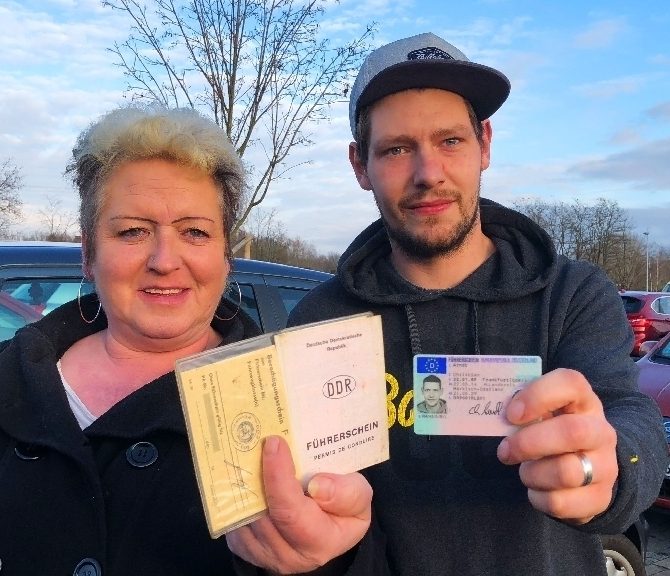
The Comprehensive Guide to the German Driving License: Everything You Need to Know
Navigating the roadways of Germany needs more than feeling in one's bones how to drive; it requires a valid driving license. For both locals and newcomers, comprehending the procedure and requirements surrounding the German driving license can appear daunting. This guide aims to debunk the process, check out the different license classifications, and address often asked concerns about getting a German driving license through the official website.
Understanding the German Driving License
Germany operates under strict guidelines when it comes to issuing driver's licenses. The system categorizes licenses into various classes depending upon the type of vehicle you wish to drive. Here's an introduction of the various classifications:
| Driving License Class | Description |
|---|---|
| Class A | Bikes (different sizes) |
| Class B | Vehicles approximately 3.5 loads and vans |
| Class C | Trucks over 3.5 tons (requires unique training) |
| Class D | Buses and coaches (over 9 guests) |
| Class BE | Trailers as much as 3.5 tons connected to Class B vehicles |
| Class C1 | Light trucks (3.5 to 7.5 tons) |
| Class D1 | Little buses (as much as 16 guests) |
The Process of Obtaining a German Driving License
The procedure of getting a German driving license can be divided into numerous key steps, which can differ based on your citizenship and previous driving experience. Below is a basic summary of the procedure:
Determine Eligibility
- Age: Minimum age differs based on the class.
- Residency: Must be a resident of Germany or a signed up trainee.
Select a Driving School
- Select a driving school (Fahrschule) that provides the preferred category.
Complete Application
- Fill out the application offered on the main German driving license site or at your regional driving license authority (Fahrerlaubnisbehörde).
Submit Required Documents
- Identification (passport or ID card)
- Proof of residency
- Emergency treatment course certificate
- Eye test certificate
- Passport-sized photos
Theoretical Training
- Attend theoretical classes (usually encompassing road rules, traffic indications, and safety).
Pass the Theoretical Exam
- Trainees need to pass a composed examination, which checks understanding of the material learned in class.
Practical Training
- Total practical driving lessons with your trainer.
Pass the Practical Driving Test
- Successfully show driving capabilities in a test conducted by a certified examiner.
Receive Your License
- Once you pass both tests and satisfy all requirements, you'll receive your German driving license.
Important Points to Consider
Credibility of Foreign Licenses: If you hold a driving license from another nation, you might have the ability to exchange it for a German driving license, depending on bilateral contracts. Usually, licenses from EU nations can be exchanged easily, while non-EU licenses may require additional tests.
License Expiration and Renewal: German driving licenses normally have a credibility of 15 years. Renewal involves re-submitting recognition documents and might include a vision test.
Costs Involved: The general cost of getting a driving license in Germany can differ extensively based upon the driving school and the variety of lessons needed. Normally, overall expenses can vary from EUR1,500 to EUR3,000.
Frequently Asked Questions (FAQs)
1. The length of time does it require to get a German driving license?
The duration varies based on the individual's schedule for lessons and tests, but generally, it takes about 3 to 6 months.
2. Can I drive in Germany with a worldwide driving permit (IDP)?
Yes, an IDP stands Deutschen Führerschein erwerben in Deutschland EU-Führerschein online kaufen (via Graph) Germany for a minimal time (usually approximately 6 months) but can not substitute a German driving license for long-lasting homeowners.
3. Are there any age constraints for various license classes?
Yes, there are minimum age requirements. For example, you must be at least 18 years old for Class B and 21 for Informationen zum deutschen Führerschein] Class C.
4. What takes place if I fail the driving test?
You can retake the test; however, you may need to wait a particular period before the next effort and pay additional charges.
5. What is the expense for exchanging a foreign driving license?
Exchange charges usually vary from EUR30 to EUR50, though this can differ depending upon the local authority.
The journey to acquiring a German driving license involves cautious preparation, commitment, and a clear understanding of the legal requirements. By familiarizing oneself with the procedure, prospective applicants can browse through it successfully. Whether you are a newcomer or a longtime homeowner, this guide serves as a thorough resource for understanding the subtleties of the German driving license system. Do not let uncertainties hold you back from striking the roads; take the needed actions towards acquiring your license today!
- 이전글비아그라 완전정복 가격 전문가 안내 — 파워약국 건강정보 칼럼 26.05.20
- 다음글10 Meetups About Polish Drivers License Rules You Should Attend 26.05.20
댓글목록
등록된 댓글이 없습니다.