

Five Killer Quora Answers To Shipping A 20 Foot Container
페이지 정보

본문
The Essentials of Shipping a 20-Foot Container: A Comprehensive Guide
Shipping products worldwide can be a complicated procedure, particularly when it comes to container shipping. This blog site post will delve much deeper into one of the most typical sizes of containers-- the 20-foot container. It will explore what it is, how to prepare for shipping, the costs included, and offer responses to regularly asked concerns.
Understanding the 20-Foot Container
The 20-foot container, also called a TEU (Twenty Foot Container-foot Equivalent Unit), is among the most commonly used sizes in container shipping. Its standard dimensions are as follows:
| Specification | Measurement |
|---|---|
| External Length | 20 feet (6.058 m) |
| External Width | 8 feet (2.438 m) |
| External Height | 8.5 feet (2.591 m) |
| Internal Length | 19.4 feet (5.898 m) |
| Internal Width | 7.7 feet (2.352 m) |
| Internal Height | 7.9 feet (2.393 m) |
| Maximum Gross Weight | 24,000 kg (52,910 pounds) |
| Payload Capacity | 21,600 kg (47,500 lbs) |
Key Features of 20-Foot Containers:
Versatility: Suitable for a wide variety of goods, consisting of basic freight, machinery, and liquids (with special adjustments).
Cost-Effectiveness: Smaller than a 40-foot container, making it a great option for medium-sized shipments or to minimize shipping expenses.
Ease of Handling: Standardized size enables easier loading and discharging at ports, decreasing transit time.
Preparation for Shipping
When shipping a 20-foot container, numerous steps are vital to guarantee the procedure goes efficiently:
1. Understand Your Cargo
- Type of Goods: Identify if your freight is disposable, vulnerable, or hazardous. This will influence the type of container you'll require.
- Weight and Volume: Calculate the weight and volume of your items to guarantee they fit within the container's payload capability.
2. Choose the Right Container
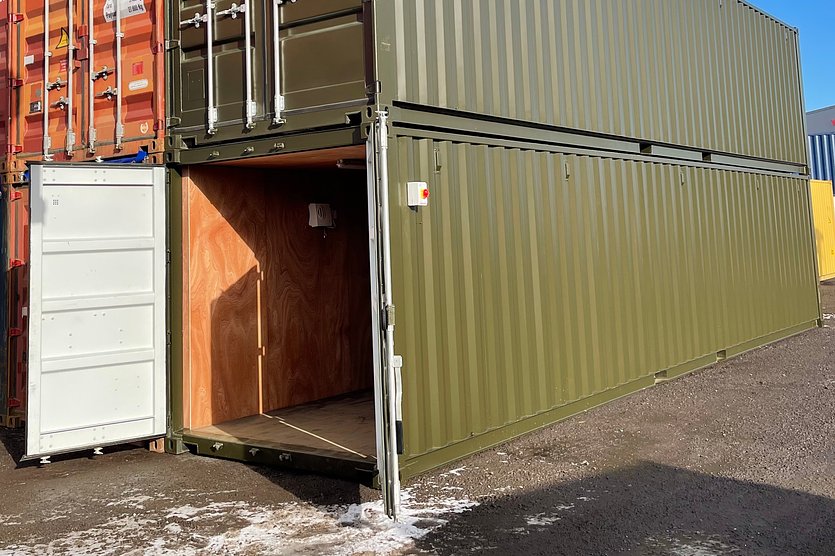
There are different types of 20 Foot Side Opening Shipping Container-foot containers available:
- Standard Dry Van: Basic container suitable for the majority of cargo.
- Reefer: Temperature-controlled container for perishables.
- Open Top: Good for large-scale cargo that can not be packed through basic doors.
- Flat Rack: For heavy equipment and equipment.
3. Protect a Shipping Line
Research and choose a reliable shipping company that has experience in international shipping. Consider rates, scheduling, and consumer evaluations.
4. Prepare Documentation
Appropriate paperwork is vital for smooth customizeds clearance. Key files may consist of:
- Bill of Lading
- Business Invoice
- Loading List
- Certificate of Origin
- Import/Export Permits
5. Pack Your Container
Proper loading is crucial to prevent damage throughout transportation.
- Use pallets to arrange cargo.
- Distribute weight evenly to maintain balance.
- Use packaging products like bubble wrap, foam, or strapping for included security.
6. Schedule Your Shipping
- Validate your shipping dates and transit time.
- Comprehend the terms of shipping, consisting of incoterms that determine responsibilities and dangers.
7. Insurance coverage
Consider cargo insurance coverage to protect your shipment against loss or damage.
Cost Factors of Shipping a 20-Foot Container
The cost of shipping a 20-foot container can differ substantially based on several elements, such as distance, shipping line, and type of freight. Below is a basic breakdown of potential costs:
| Cost Factor | Estimated Cost |
|---|---|
| Container Rental | ₤ 1,200 - ₤ 3,000 |
| Shipping Fee | ₤ 900 - ₤ 3,000 |
| Customs Duties & & Taxes | Varies by country |
| Insurance coverage | 1-2% of cargo value |
| Documents Fees | Varies |
Tips for Reducing Shipping Costs
- Combine Shipments: Combine multiple shipments into one to save on fees.
- Select Off-Peak shipping a 20 foot container (Https://www.abgodnessmoto.co.uk/): Prices are frequently lower during weekdays or offseason.
- Negotiate Rates: If you have regular shipments, work out much better rates with your shipping line.
FAQ Section
Q1: How long does it take to deliver a 20-foot container?
A: Transit time can differ from a few days to several weeks depending upon the origin and location, in addition to the shipping route taken.
Q2: What can be delivered in a 20-foot container?
A: Almost any kind of cargo can be shipped as long as it fits within the container's weight and volume limits. This consists of machinery, home products, bulk items, and more.
Q3: How numerous pallets suit a 20-foot container?
A: Typically, a 20-foot container can hold 8 to 10 basic pallets depending on how the products are loaded.
Q4: Can I ship a car in a 20-foot container?
A: Yes, a basic cars and truck can usually suit a 20 Foot Shipping Container-foot container together with other freight, as long as weight limitations are considered.
Q5: What happens if my container is postponed?
A: Shipping delays can happen for different factors, including weather or port blockage. Contact your shipping company for updates and contingency plans.
Shipping a 20-foot container is a vital part of global trade, using a practical ways to move products throughout borders. By understanding the whole process, from preparation to cost aspects, shippers can ensure their freight reaches its destination safely and efficiently. Whether for personal or service needs, addressing all components of shipping will help make the journey smoother and more successful.
- 이전글Responsible For An Parrot Food Budget? 12 Top Notch Ways To Spend Your Money 26.05.20
- 다음글What's The Reason Nobody Is Interested In Buy Real Polish Drivers License 26.05.20
댓글목록
등록된 댓글이 없습니다.