

Official German Driving License Tips That Can Change Your Life
페이지 정보

본문
Understanding the Official German Driving License: A Comprehensive Guide
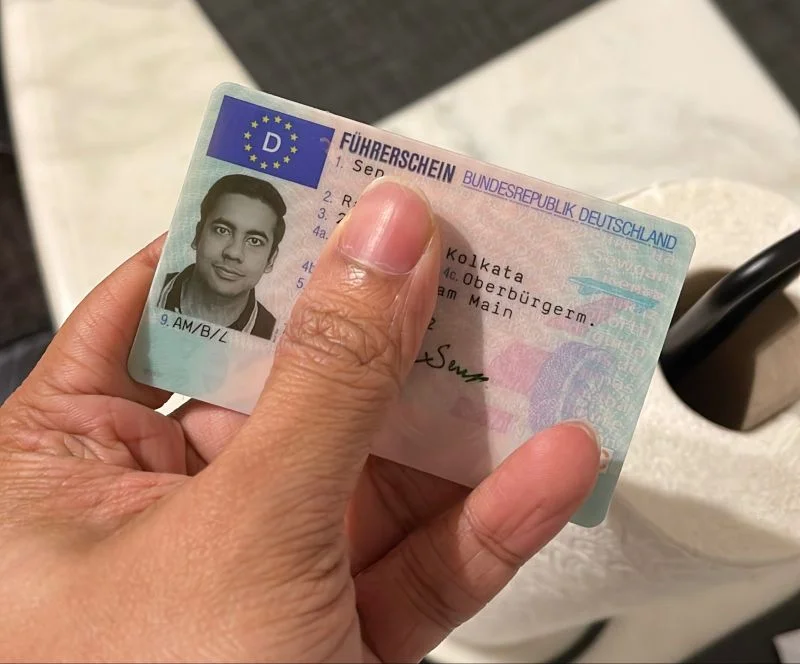
The German driving license, referred to as "GüLtiger deutscher Führerschein," is an essential file for anyone wanting to drive lawfully in Germany and, for Deutschen FüHrerschein schnell erhalten numerous, throughout Europe. This guide explores the types of licenses readily available, the procedure of obtaining one, and often asked concerns surrounding the German driving license.
Kinds Of German Driving Licenses
Germany uses numerous kinds of driving licenses based on the kind of lorry one is permitted to operate. Below is a breakdown:
| License Class | Description | Age Requirement | Secret Vehicles Allowed |
|---|---|---|---|
| Class A | Motorcycle license | 24 years (or 20 with 2 years of experience on Class A2) | All motorbikes |
| Class A1 | Light motorcycle license | 16 years | Bikes approximately 125cc |
| Class B | Car license | 18 years | Vehicles up to 3,500 kg, Antrag auf einen deutschen Führerschein as much as 9 guests |
| Class BE | Automobile with a trailer | 18 years | Automobiles from Class B with a trailer over 750 kg |
| Class C | Truck license | 21 years | Trucks over 3,500 kg |
| Class CE | Truck with a trailer | 21 years | Trucks from Class C with a trailer |
| Class D | Bus license | 24 years | Buses with over 8 travelers |
| Class DE | Bus with a trailer | 24 years | Buses from Class D with a trailer |
| Class F | Agricultural car license | 16 years | Agricultural lorries |
Process of Obtaining a German Driving License
Step 1: Determine Eligibility
To obtain a German driving license, prospects need to meet particular eligibility criteria. Generally, the applicant should:
- Be a citizen of Germany.
- Be of the legal age for the desired class of license.
Action 2: Enroll in a Driving School
Registering in a local driving school is obligatory. Here's what to anticipate:
- Theoretical Training: Covers traffic guidelines, Antrag auf einen deutschen Führerschein, roadway indications, and safe driving practices.
- Practical Training: Involves hands-on driving experience under the guidance of a certified instructor.
Action 3: Complete Required Hours
The applicant should fulfil a set number of driving and theoretical training hours, which vary by license class. For instance, a Class B license typically needs:
- Theoretical Lessons: 14 hours.
- Practical Driving Lessons: A minimum of 12 driving lessons, including night driving and driving in various conditions.
Step 4: Pass the Exams
- Theoretical Exam: A computer-based test that consists of multiple-choice questions.
- Practical Exam: An observed driving test where candidates demonstrate their driving skills on the road.
Step 5: Submit Application and Pay Fees
After effectively passing both tests, the last step is to submit the application, in addition to any needed files (such as ID, proof of residency, first-aid course completion certificate, and vision test results), at the regional driving license authority (Führerscheinstelle). Costs can differ but typically vary from EUR200 to EUR300.
Step 6: Receive Your License
Upon approval, the candidate will receive their German driving license, which is legitimate throughout all EU member states.
Crucial Considerations
Eye Test and First Aid Course
Before obtaining a license, prospects are required to undertake an eye test and finish an emergency treatment course. These prerequisites make sure that all drivers have a standard understanding of medical assistance in case of emergencies on the roadway.
Credibility and Renewal
German driving licenses are typically legitimate for an unlimited duration for chauffeurs who do not surpass the age limits or break any regulations. However, specific classes might have specific credibility durations and renewal requirements, especially for expert motorists.
International Driving License
For people planning to drive outdoors Germany, an International Driving Permit (IDP) may be required. It is suggested for tourists to check the guidelines of the country they plan to go to.
Often Asked Questions (FAQs)
1. Can I transform my foreign driving license to a German one?
It is possible to transform certain foreign driving licenses to a German license, however it depends on the native land. Some nations have mutual arrangements with Germany which might permit for a straightforward conversion process, while others may need a brand-new test.
2. What should I do if I lose my driving license?
In case of loss, the primary step is to report it to the regional cops. Later, an application can be made at the regional driving license authority for a replacement, typically needing evidence of identity and a fee.
3. Exist any constraints on new chauffeurs?
Yes, holders of a new driving license (usually within the first two years) face particular constraints, such as a lower blood alcohol limit and might have restrictions on the kinds of automobiles they can run.
4. For how long does it require to get a driving license?
The time required can vary based on individual situations, consisting of how quickly an applicant finishes their required lessons and schedules their exams. Typically, it may take numerous months from enrollment to receipt of the license.
5. What happens if I stop working the driving test?
If a candidate does not pass either the theoretical or useful examinations, they can reapply and retake the test. Nevertheless, there might be a waiting period, and extra costs will apply.
Obtaining an official German driving license is a structured procedure designed to make sure that all chauffeurs are geared up with the required knowledge and abilities to run vehicles securely. Whether for individual usage or professional driving, understanding the requirements and procedures involved can relieve the journey towards driving on Germany's roadways.
- 이전글미프진 주의사항 확인 헐메드 여성 상담센터 26.05.18
- 다음글See What Taking the Naturalization Test Online Tricks The Celebs Are Making Use Of 26.05.18
댓글목록
등록된 댓글이 없습니다.